PORRO @FUORISALONE
SHOWROOM PORRO MILANO, Via Visconti di Modrone, 29
Press Preview: 20 April 2026 10:00–20:00
21 / 22 / 23 / 24 / 25 April 2026 10:00–21:00. 26 April 2026 10:00–18:00
REIMAGINING BEAUTY
Installation: Piero Lissoni
New products: Dordoni Studio, Piero Lissoni, Yabu Pushelberg, Nao Tamura
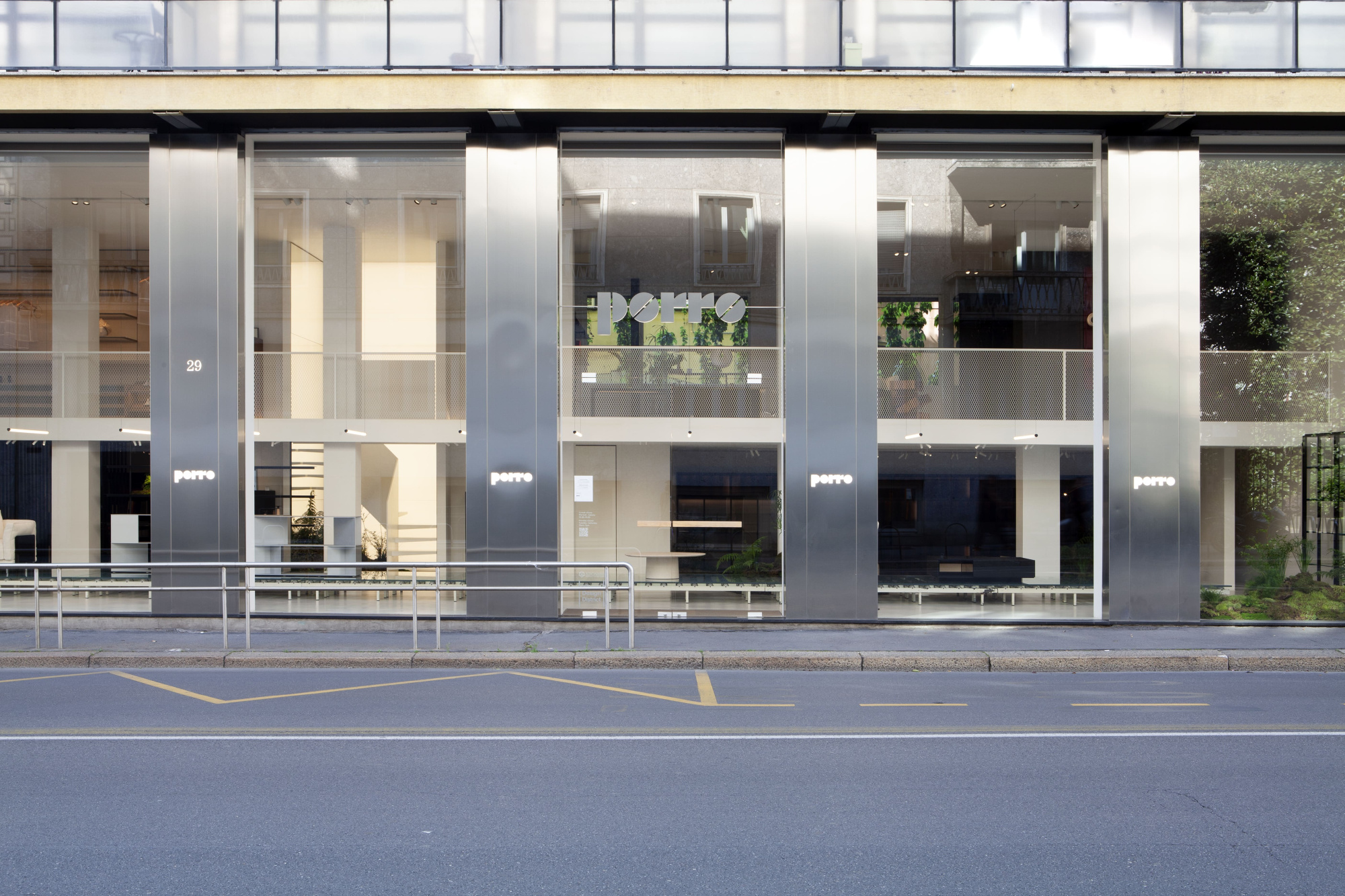
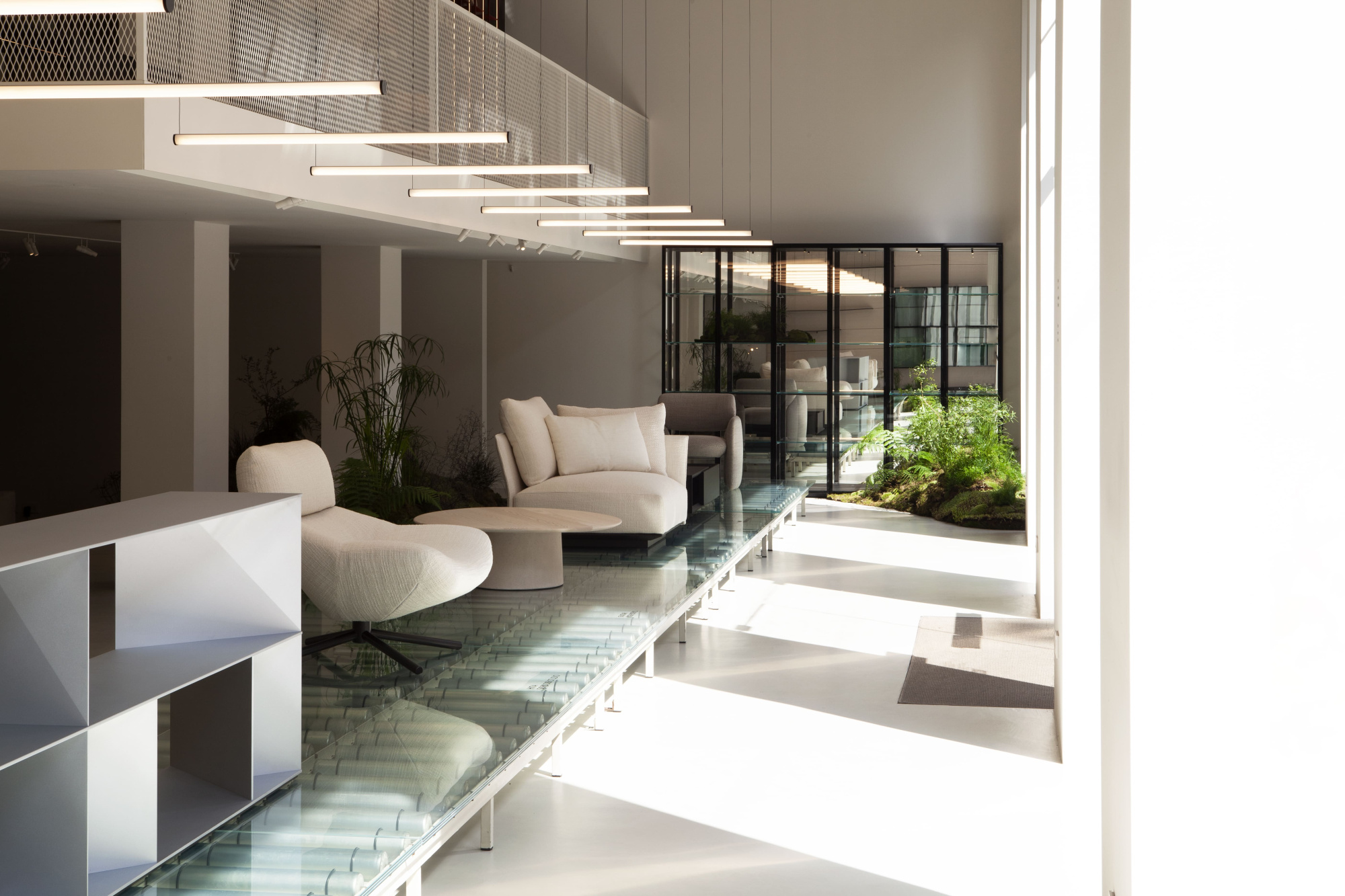
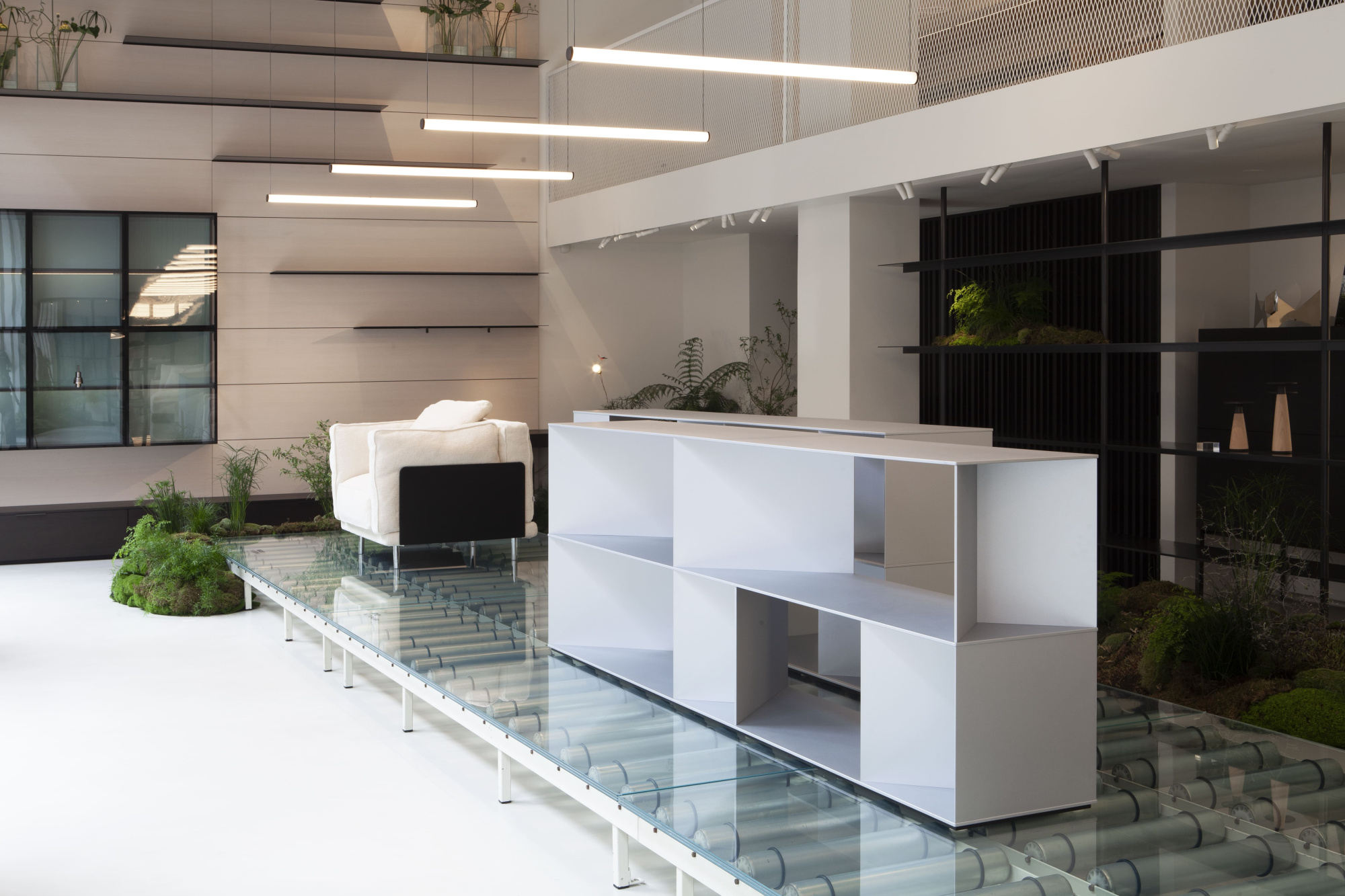
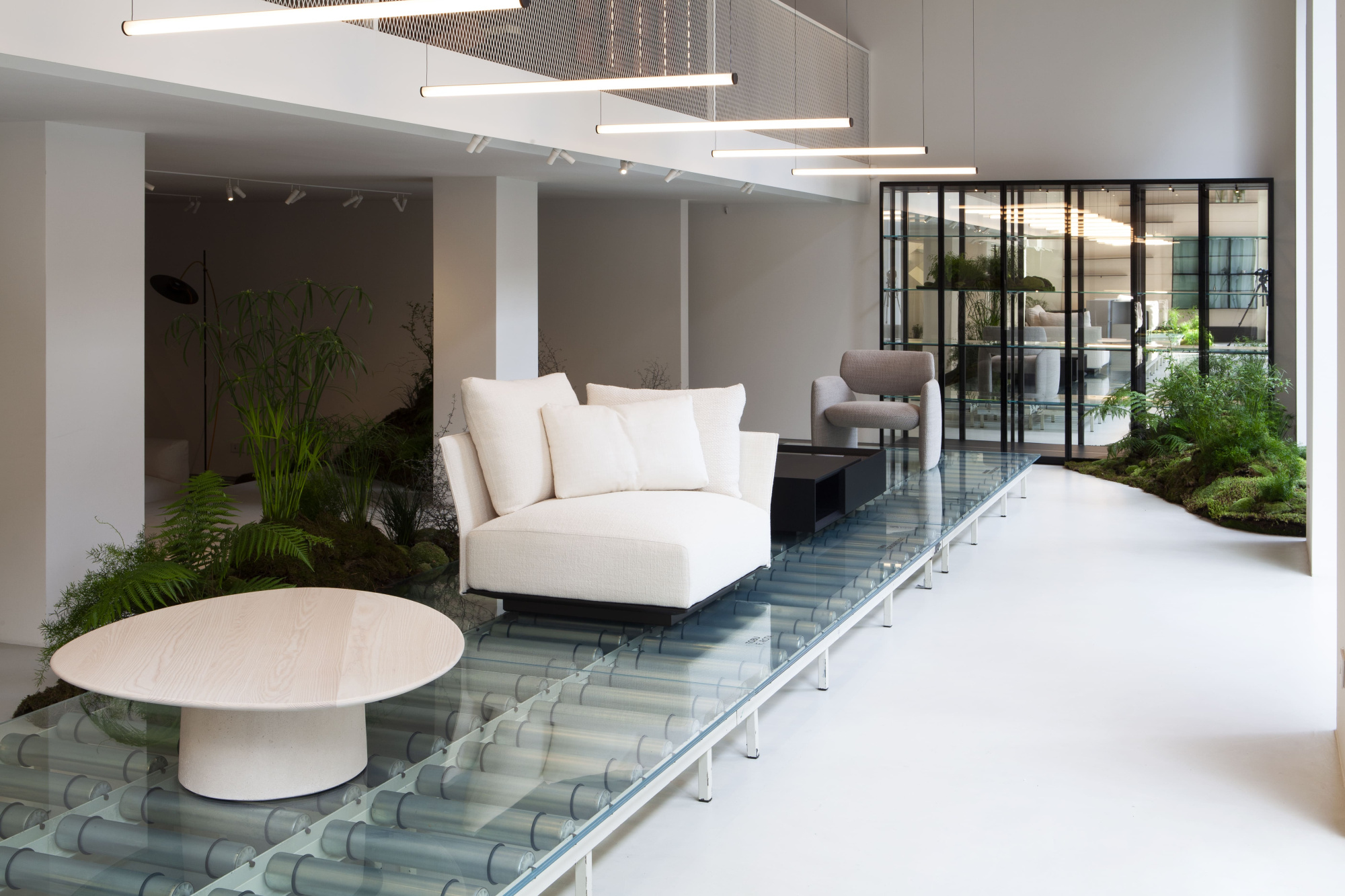
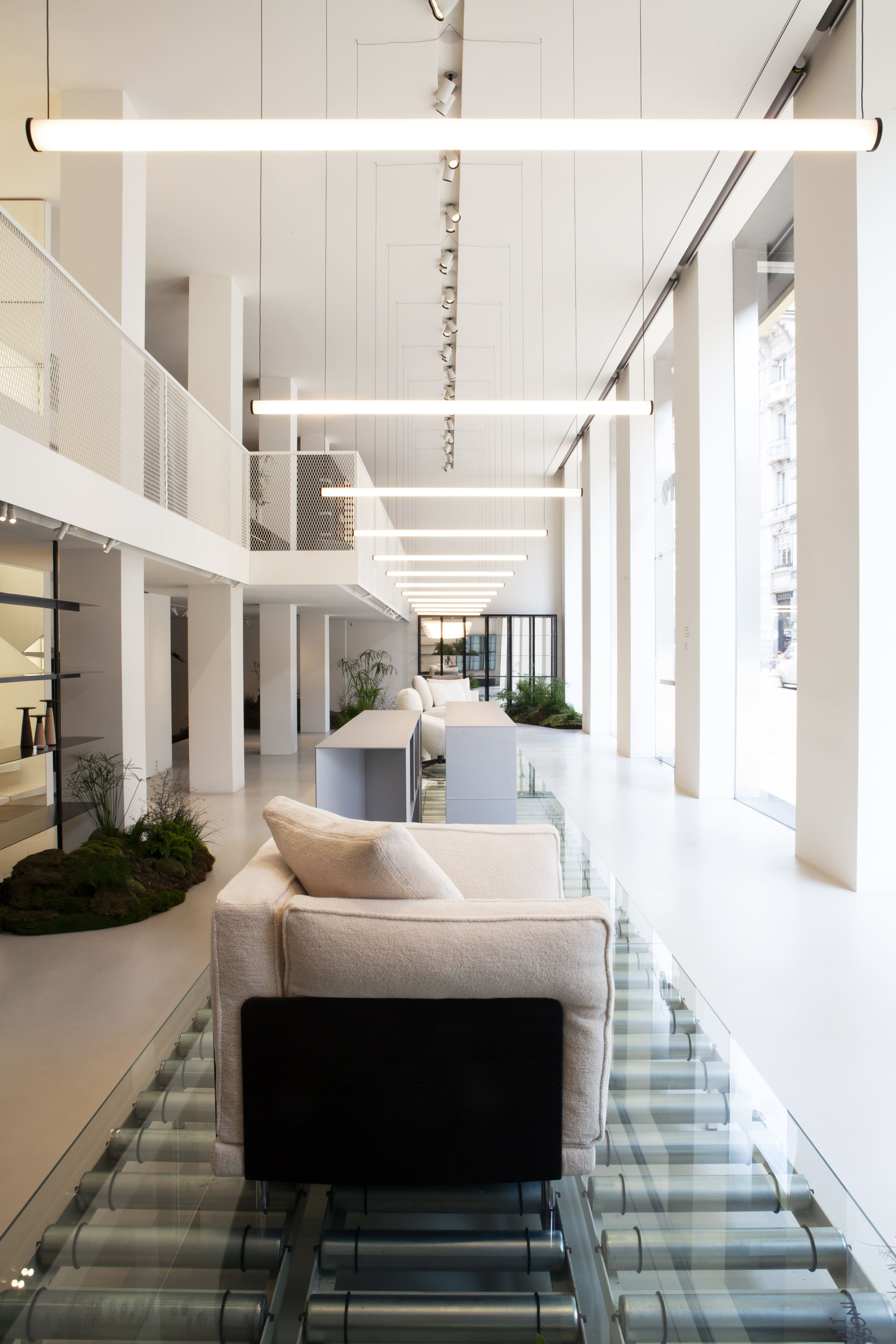
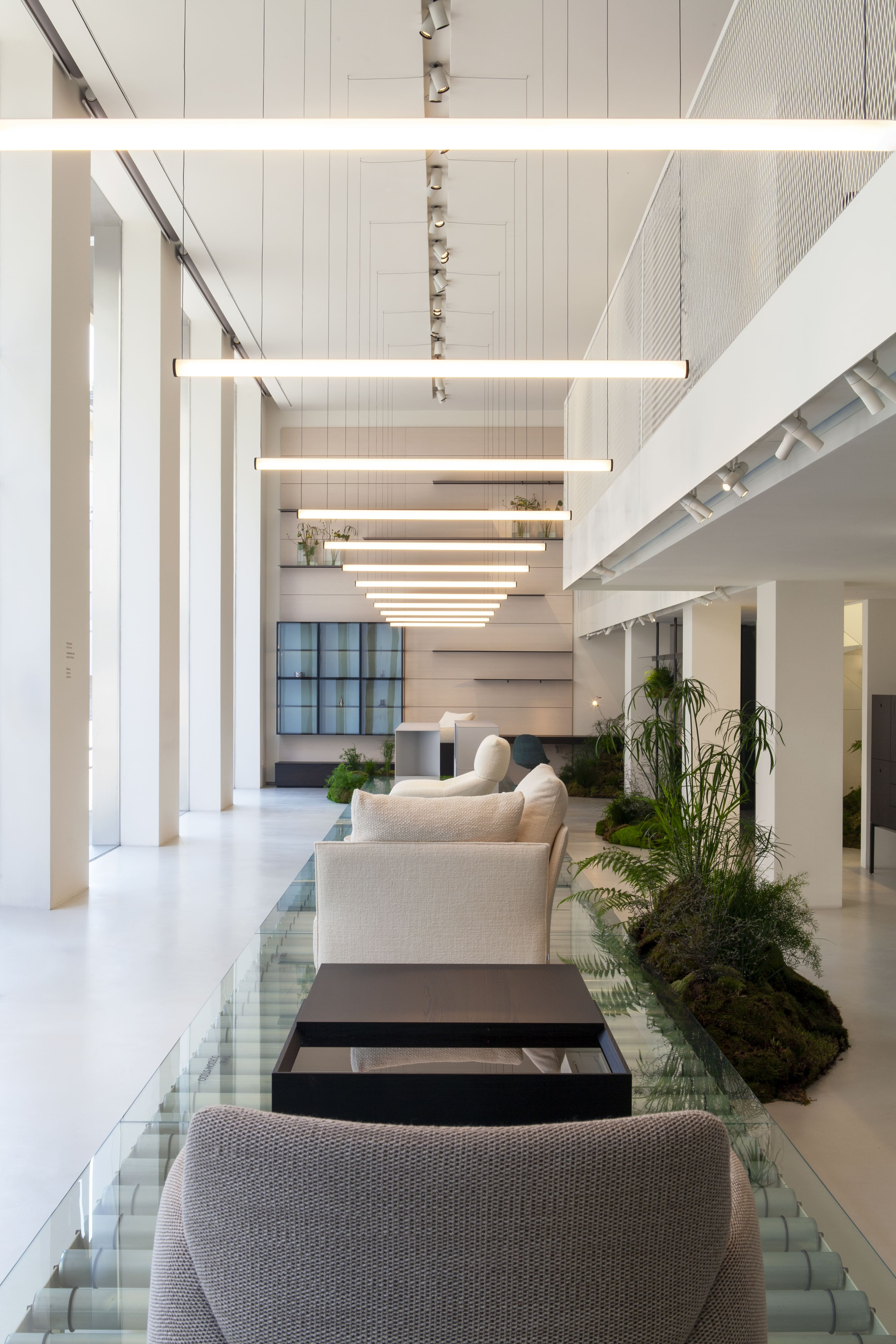
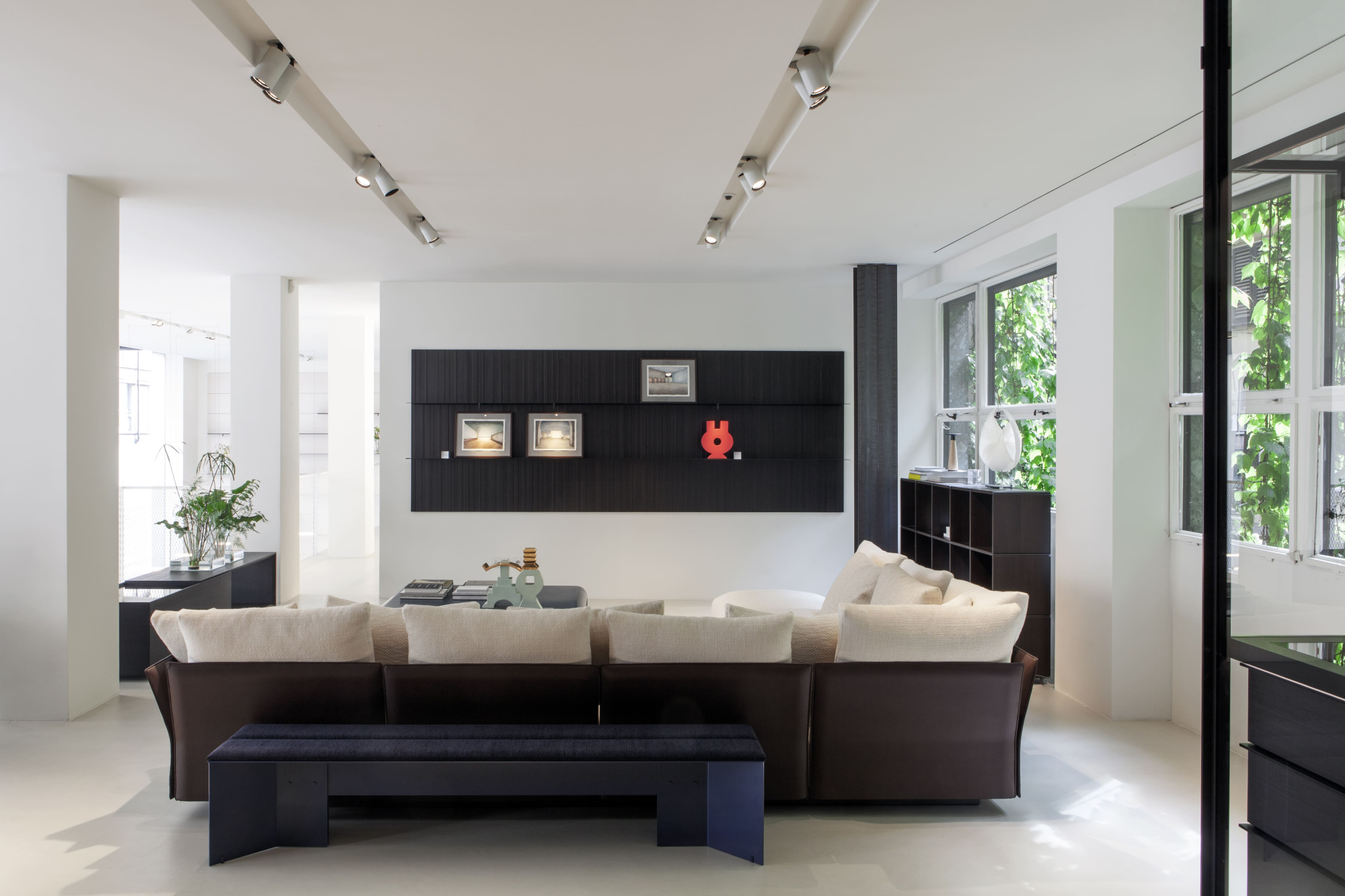
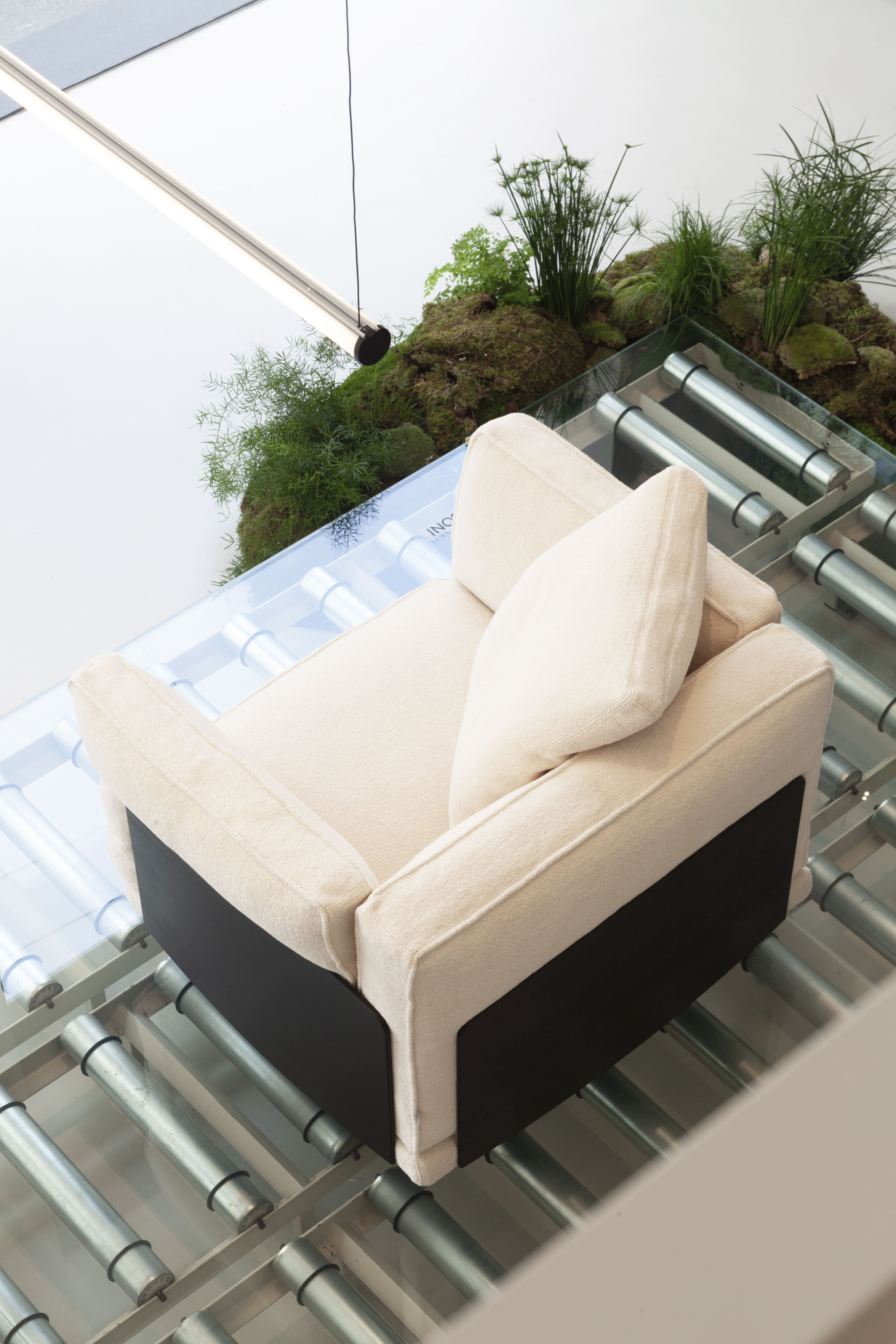
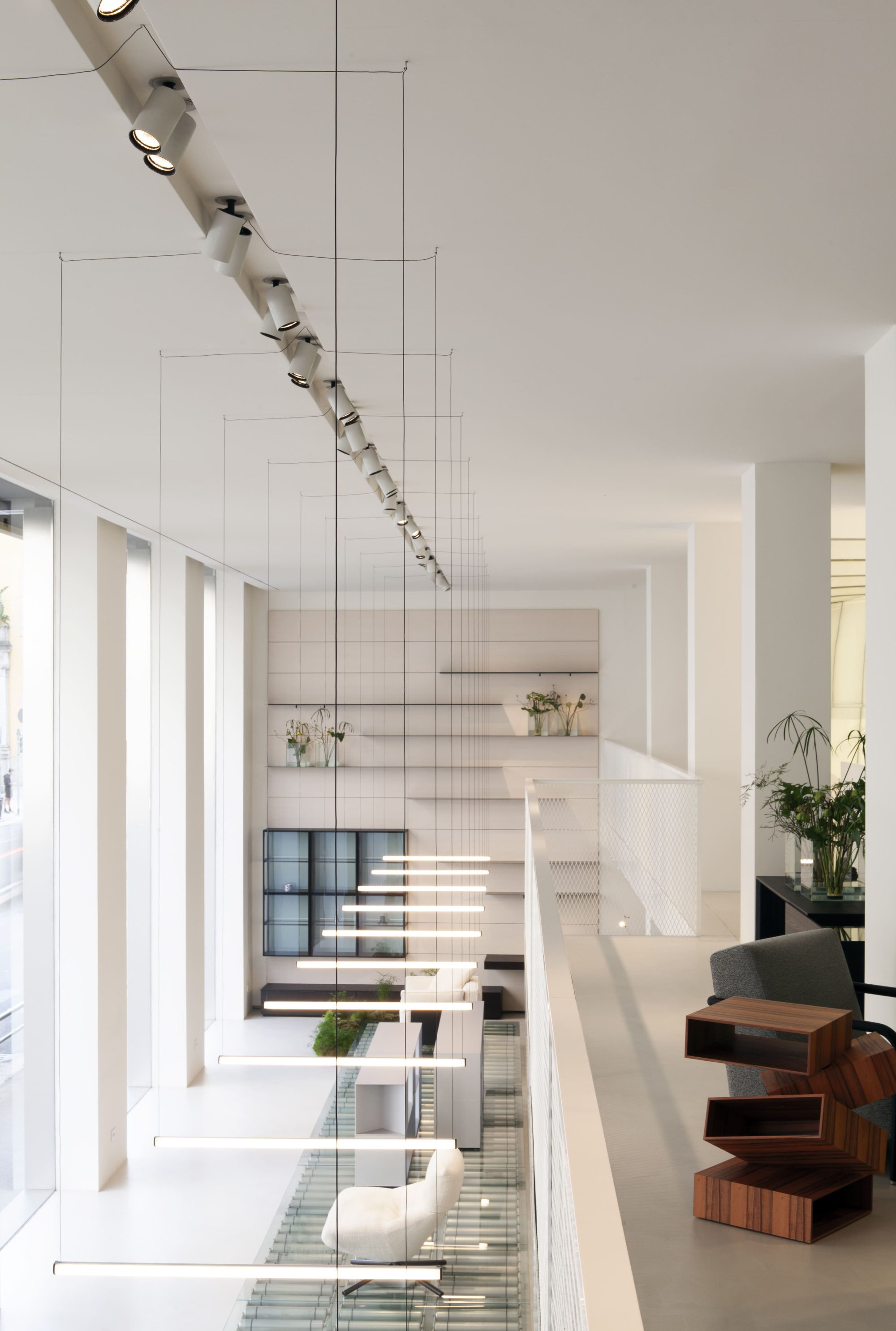
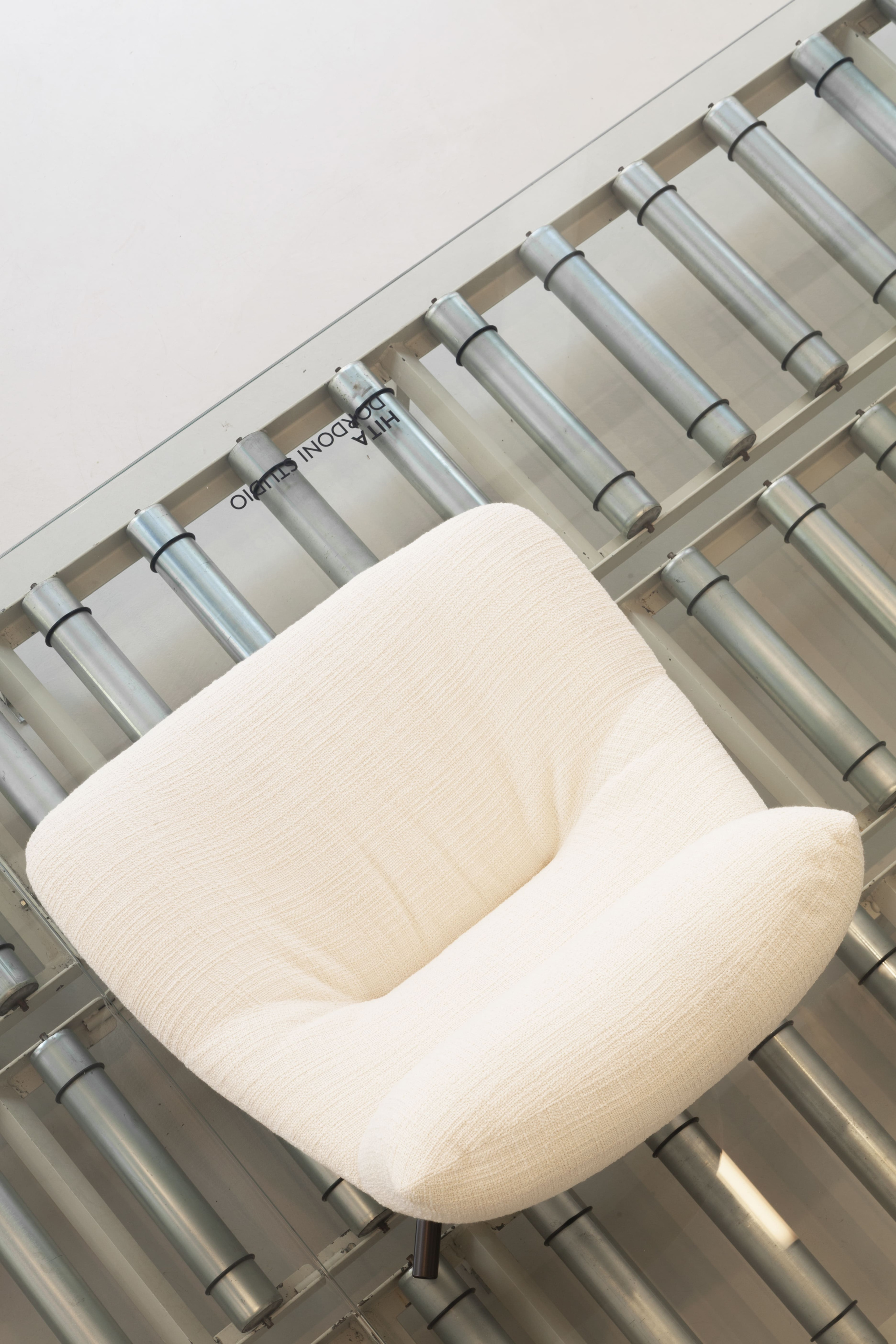
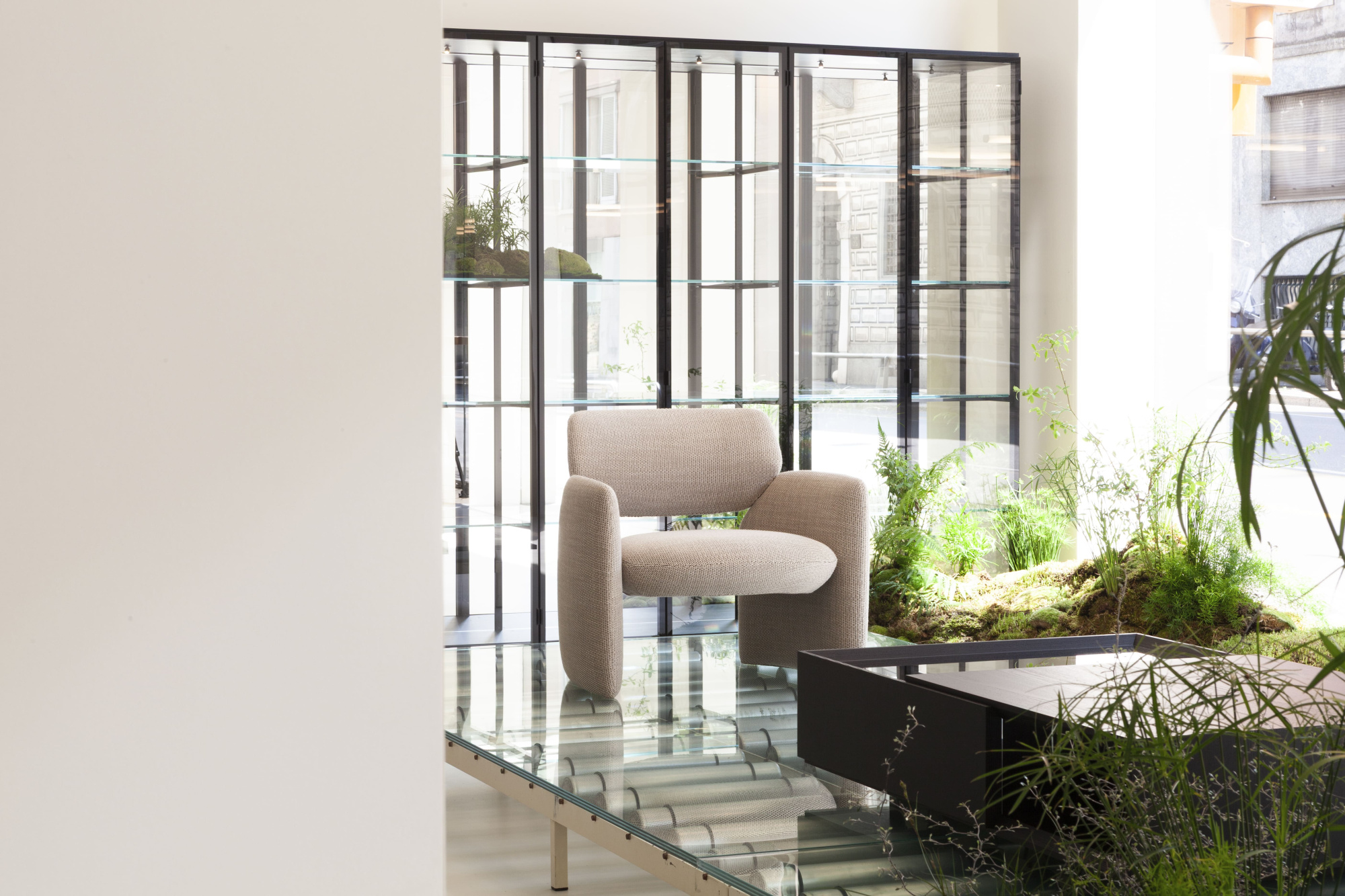
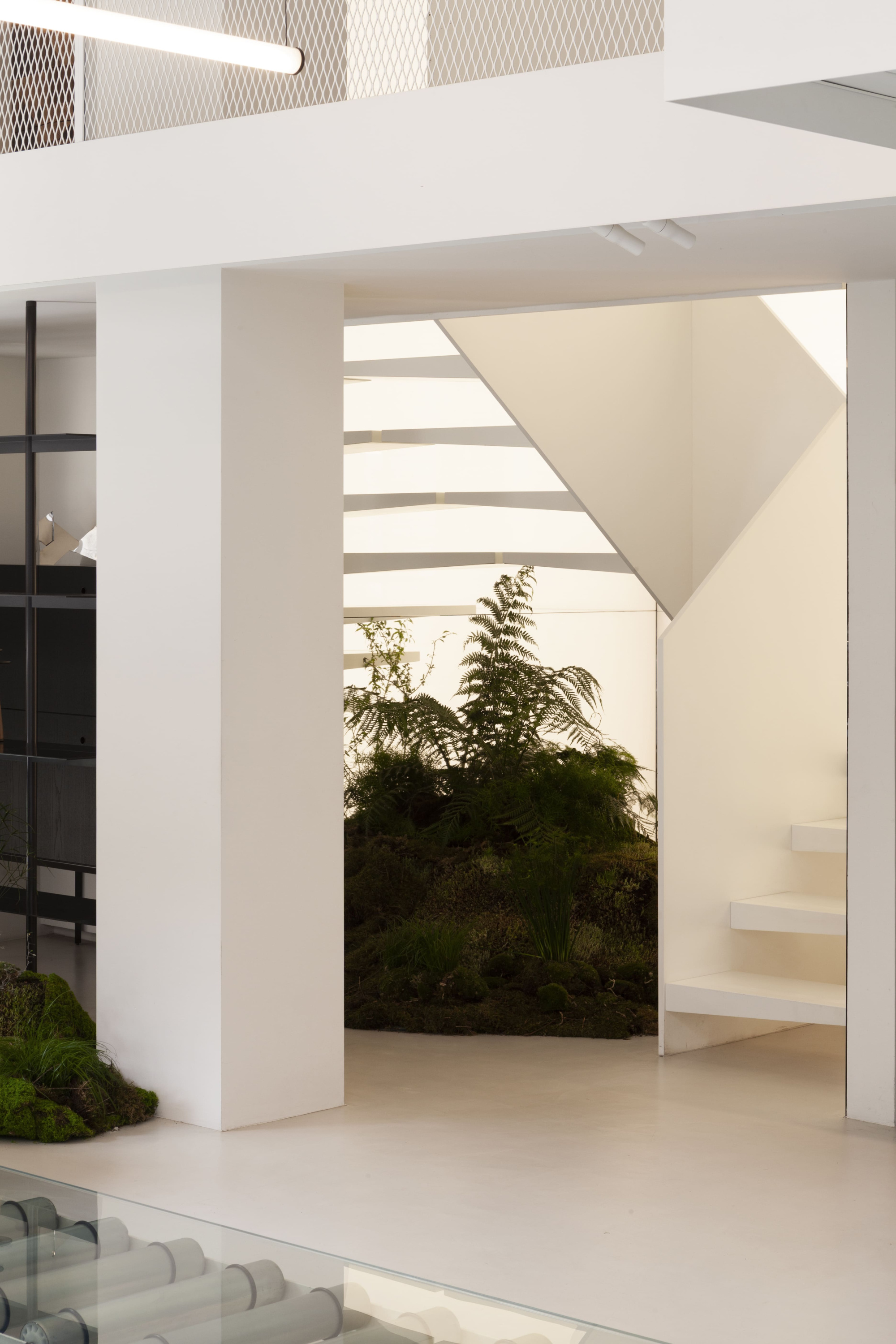
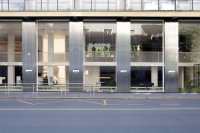
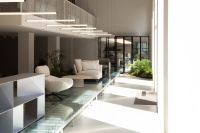
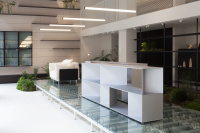
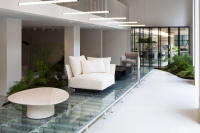
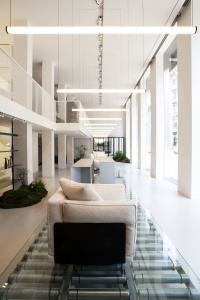
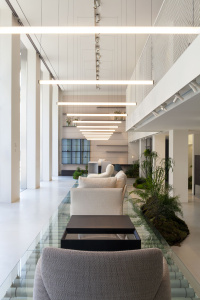
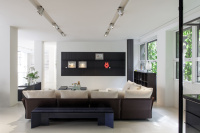
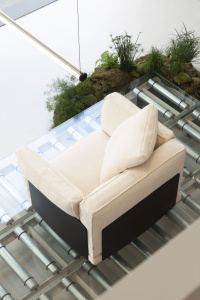
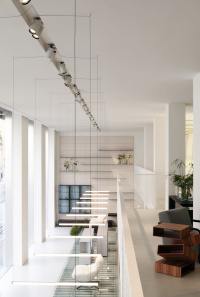
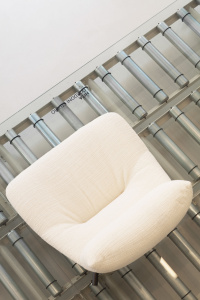
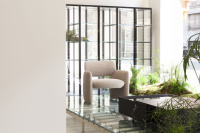
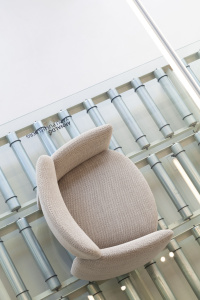
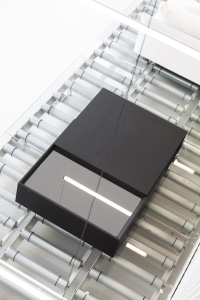
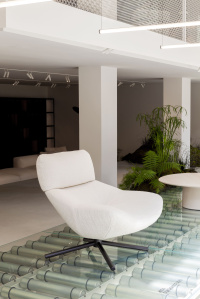
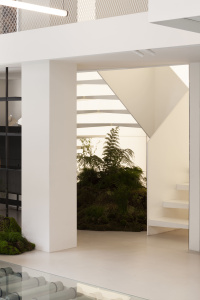
Pure design, refined finishes, and timeless elegance guide the continuous evolution of Porro landscapes, conceived for residential settings and international projects, for today and the future. On the occasion of Fuorisalone 2026, Porro presents Reimagining Beauty, an installation by Piero Lissoni that transforms the Porro Milano showroom on Via Visconti di Modrone 29 into an industrial landscape suspended between production and vision. Visible through six full-height windows and designed to engage with the city both day and night, the installation asserts itself as a luminous and radical scenography: industrial rollers—typical elements of the Porro factory used for panel handling—are reinterpreted as an exhibition structure, while a sequence of neon lights hanging from the ceiling creates a raw and vibrant atmosphere. On a podium over 15 meters long, covered with thick glass slabs, the 2026 novelties designed by Piero Lissoni, Nao Tamura, Dordoni Studio, and Yabu Pushelberg take shape in black and white, displayed as essential presences, balanced between material and light, captured at the exact moment production concludes and the final object enters the market, ready to be shipped worldwide. Around this core, the space opens to a broader narrative with a selection of brand icons: from architectural systems to furniture collections, highlighting upholstered pieces, an area where the brand has firmly established itself, thanks to the new armchairs presented this year alongside the sofas designed in 2025 by Francesco Rota, Piero Lissoni, and Christophe Pillet. The key words of the Porro world—identity, beauty, discovery, vision, material, light, form, design culture, research, longevity, craftsmanship, functionality, space, and transversal landscape—are reflected in the products, expressed through the materials, and released by the installation itself, visible and recognizable even from the city through the windows. A narrative that offers the public not only the result but also the origin of the project, showcasing Porro’s productive strength—a family-run company today led by the third and fourth generations, with over a century of roots in Italy, in the Brianza district—and its ability to translate industrial culture into a sophisticated and contemporary aesthetic. Accompanying this industrial environment, a spontaneous natural landscape is integrated into the space, creating a poetic contrast. Flowerbeds, arranged as organic islands, trace an immersive path among the products, while glass cases house floral compositions, recalling the natural origin of the materials and Porro’s long-standing respect for the world around us, a principle that has always been central to the brand’s philosophy.
DOMESTIC HAIKU – A sensory performance by Isa Traversi
Music composed by Alberto Traversi.
With: Antonella Albano, Francesco Della Valle, Domenico Di Cristo, Christian Fagetti, Denise Gazzo, Maria Celeste Losa, Sabrina Solcia (dancers); Federica Fracassi, Aurora Dal Maso (actresses); Ahmad Qatato (illustrator).
On Wednesday, April 22, it is possible to experience an immersive journey within the Porro home through a performance by the Milanese choreographer and director Isa Traversi, with musics With the contribution of actors, dancer, and an illustrator —‘other’ presences yet tangibly close to the visitor—micro-dramaturgies reveal the intimate spaces of the home like a real, free, and visionary haiku, where the lines and materiality of Porro furnishings converse with the body and emotional gesture. Movements, whispers, secret messages, and ephemeral drawings take shape as small scenes, weaving into a poetic encounter between art and design that engages the spectator, highlighting the emotional bond one can develop with their domestic environment. The performance also features poetic references from architects and designers who have collaborated with the brand, as well as from artisans—the hands and minds that have built, “reimagining beauty”, grounded in the constancy of love, the solidity of craftsmanship, and a serious and passionate intellectual pursuit, attentive even to the most intimate needs of the clientele.
Isa Traversi
A dancer, choreographer, and director from Milan, she studied dance at Teatro alla Scala and, from a young age, pursued research paths, collaborating with artists from diverse backgrounds. She made her debut before the age of twenty in opera theatre at the Maggio Musicale Fiorentino, working with Luca Ronconi and Zubin Mehta in Wagner’s Rheingold. She later founded the Scuola Laboratorio Danza in Como, a center for pedagogical and theatrical experimentation, where for several decades she has conducted her own research on the syncretism of the arts through dance. Within this context, in the 1990s she created the theatre-dance group Kitchen. Long engaged in creating choreography for both opera and spoken theatre, she consistently works on interdisciplinary projects: site-specific dramaturgies, urban choreographic events, and performances for art, architecture, design, cinema, and fashion. She creates events for the cultural sector. In 2024, she wrote and directed the documentary Senectus Open. She conducts seminars, training courses, and masterclasses on the performing body and on participatory approaches to experiencing art.
Podium – 2026 Novelties
Biscuit Armchair, Design Piero Lissoni, 2026
The Biscuit armchair expands the family of the eponymous sofa designed in 2025 by Piero Lissoni. Enclosed between bruno stained solid ash lateral panels and backrests, with geometric cushions upholstered in soft fabric or leather, the Biscuit armchair offers an elegant solution not only for domestic spaces but also for hospitality and work environments.
Ryo Bookcase, Design Nao Tamura, 2026 A shimmering element within the space, the Ryo bookcase is composed of long horizontal shelves supported by adjustable triangular elements made by folding a single sheet of aluminum, together creating open, multifunctional shelving systems for storing books and objects. The Japanese name “Ryo” (稜) means edge or ridge: the precise line where two planes meet in tension. Symbol of energy and stability, the triangle conveys both lightness and solidity, depending on the viewpoint. A matrix for composing dynamic spaces, Ryo goes beyond pure functionality to become a sculptural object, with reflections and shadows playing on its surface thanks to an almost invisible protective finish that preserves the raw texture and natural character of the material.
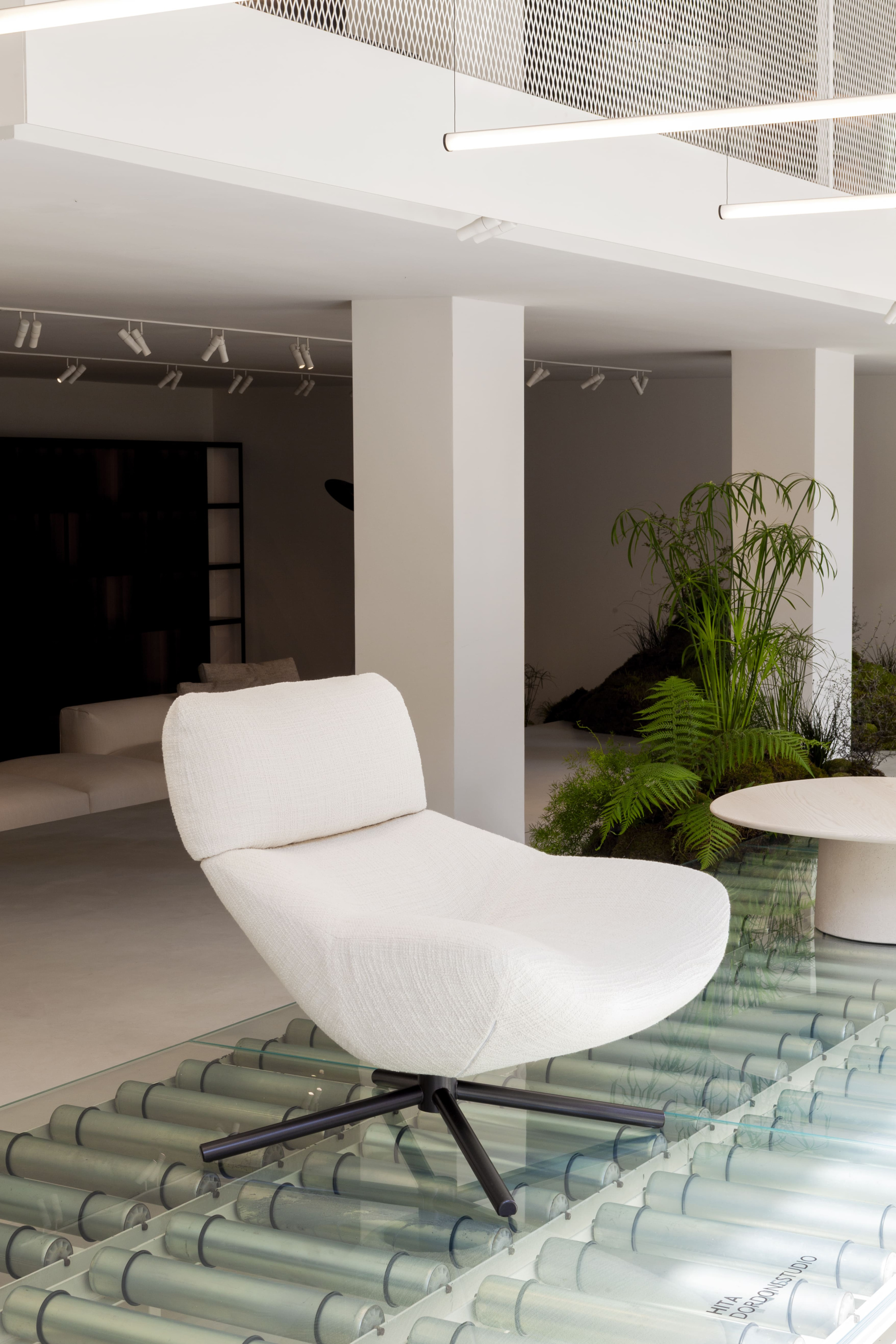
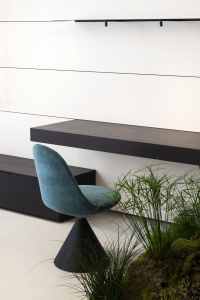
Hita lounge chair, Design Dordoni Studio, 2026
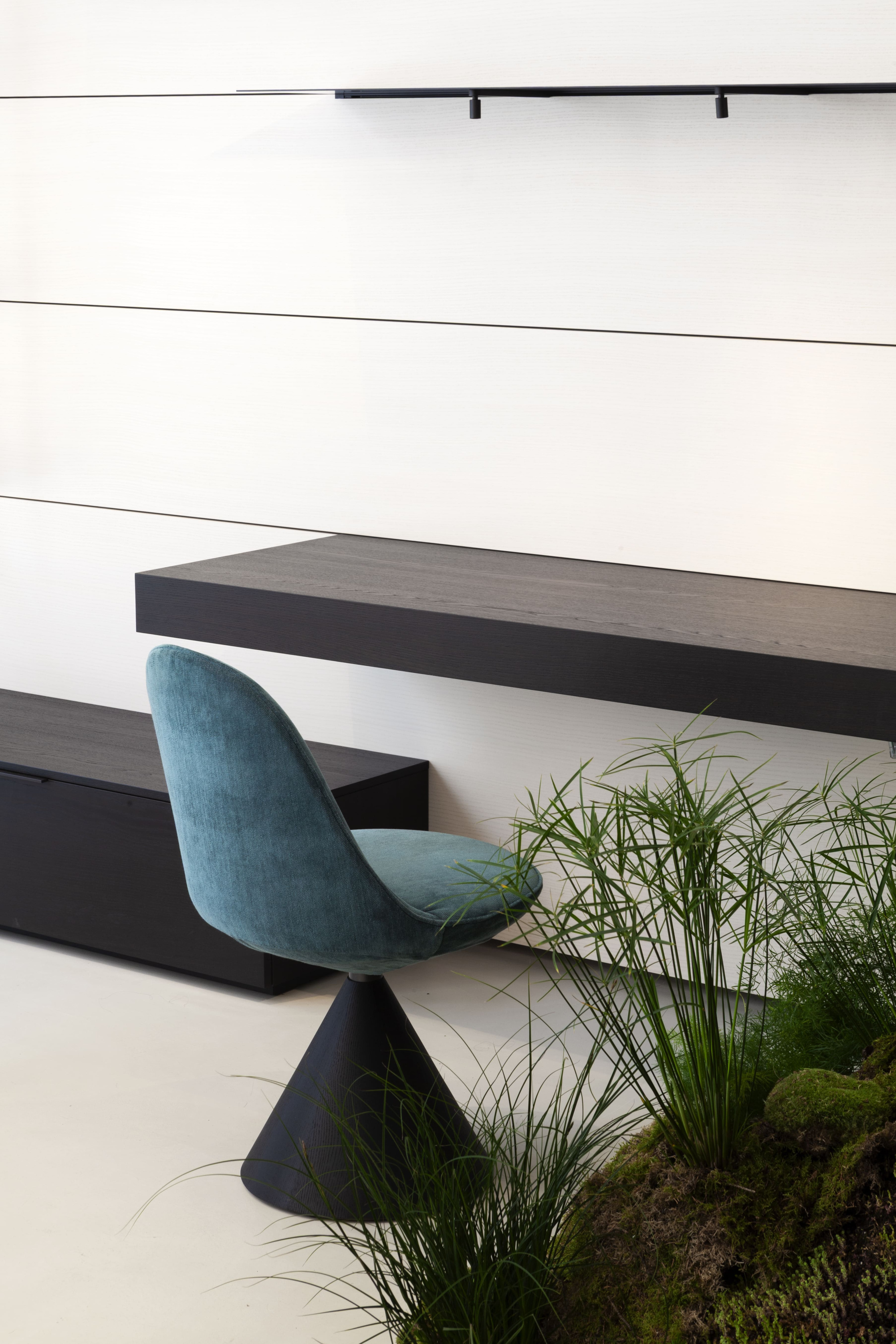
With grace and substance, the new Hita cocoon longue chair by Dordoni Studio is distinguished by its continuous volume, elevated on an asymmetrical, swiveling conical base in wood. Its sculptural form conceals a surprisingly soft interior, ensured by the generously padded seat cushion, in striking contrast with the rigorous and sculptural exterior, making it ideal both for the home and for a lobby or business lounge.
Guitar Coffee Table, Design CRS Porro, 2026
The new Guitar coffee table collection, designed by CRS Porro, is defined by delicate combinations and layering, in different heights and sizes. Thick tabletops, made of solid ash or glossy lacquer, with rounded or teardrop shapes, rest on truncated-cone concrete bases, creating dynamic and tactile compositions whose organic design establishes a contrastive dialogue with the geometric rigor of Porro’s design language.
Tobu Armchair, Design Francesco Rota, 2026
With an extruded aluminum base supporting tall, soft, and deep seat cushions, completed by inclined fabric or leather backrests that convey a sense of movement, the Tobu armchair appears like a blossoming flower—delicately powerful, authentic, and chic. Enhanced by floating cushions for a true journey into comfort, it is available with two or three backrests, allowing personalized spatial arrangements and postures.
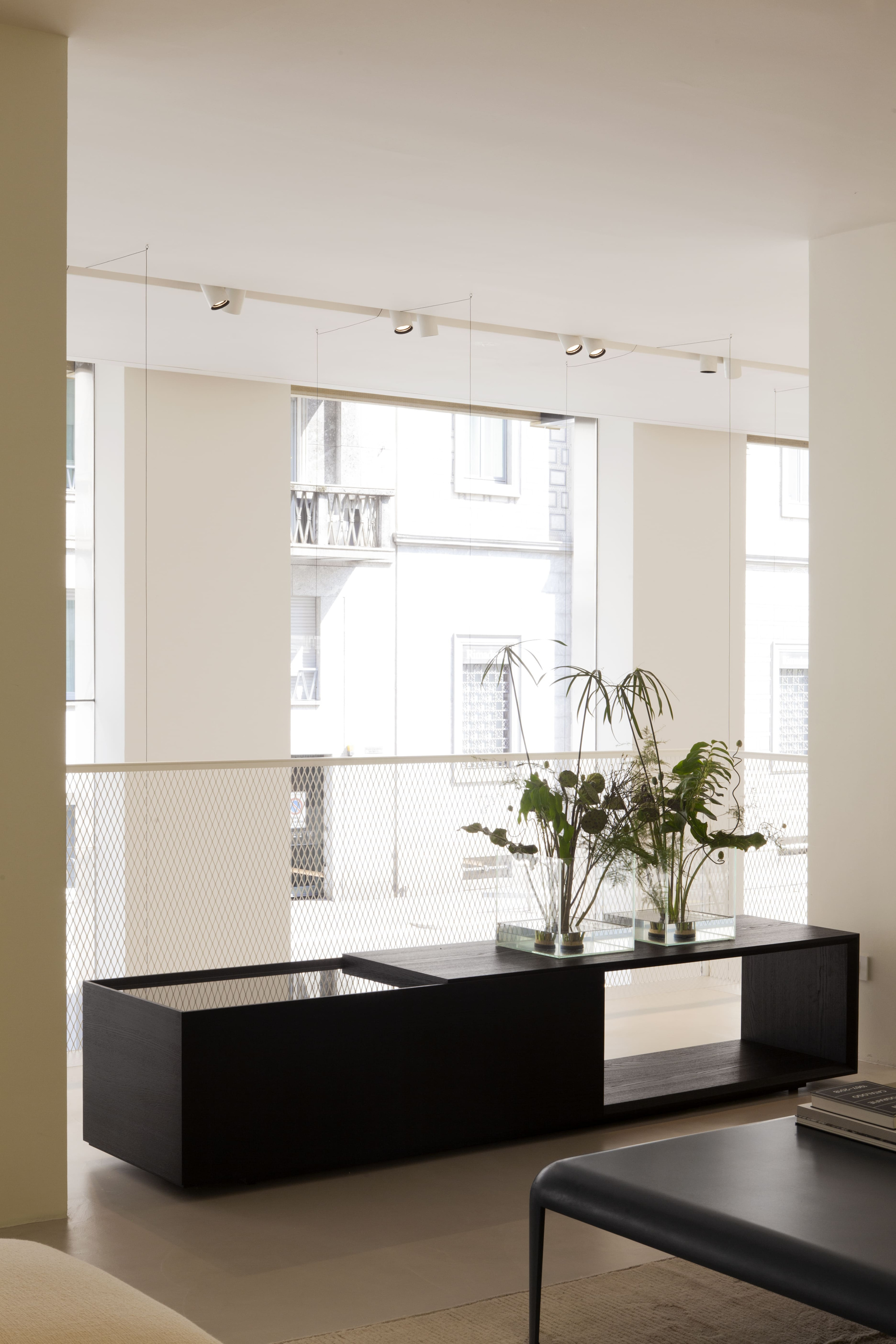
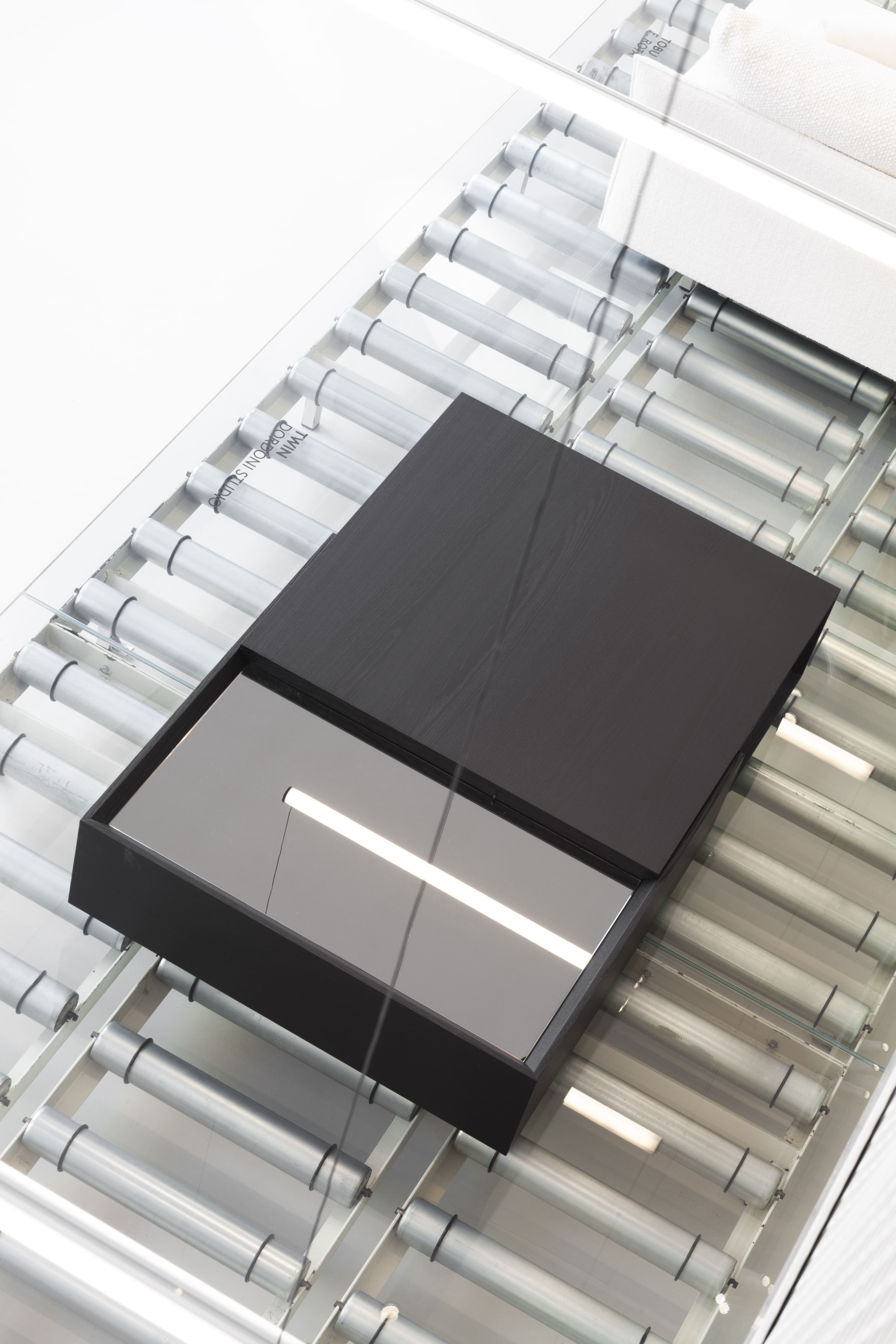
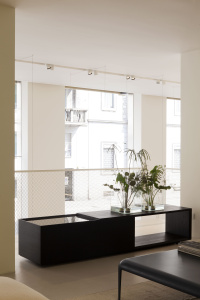
Twin Low Table, Design Rodolfo Dordoni, 2026
The Twin low table translates into a new scale the design language of the eponymous sideboard presented last year by Dordoni Studio. An elegant parallelepiped in black stained ash with square or rectangular base, Twin plays with 45-degree cut surfaces and a recessed top in travertine or glass. The composition creates a measured dialogue between solid volumes and voids, lending plasticity and dynamism to the ensemble. A play of interlocking forms intersecting with the precision and lightness of origami.
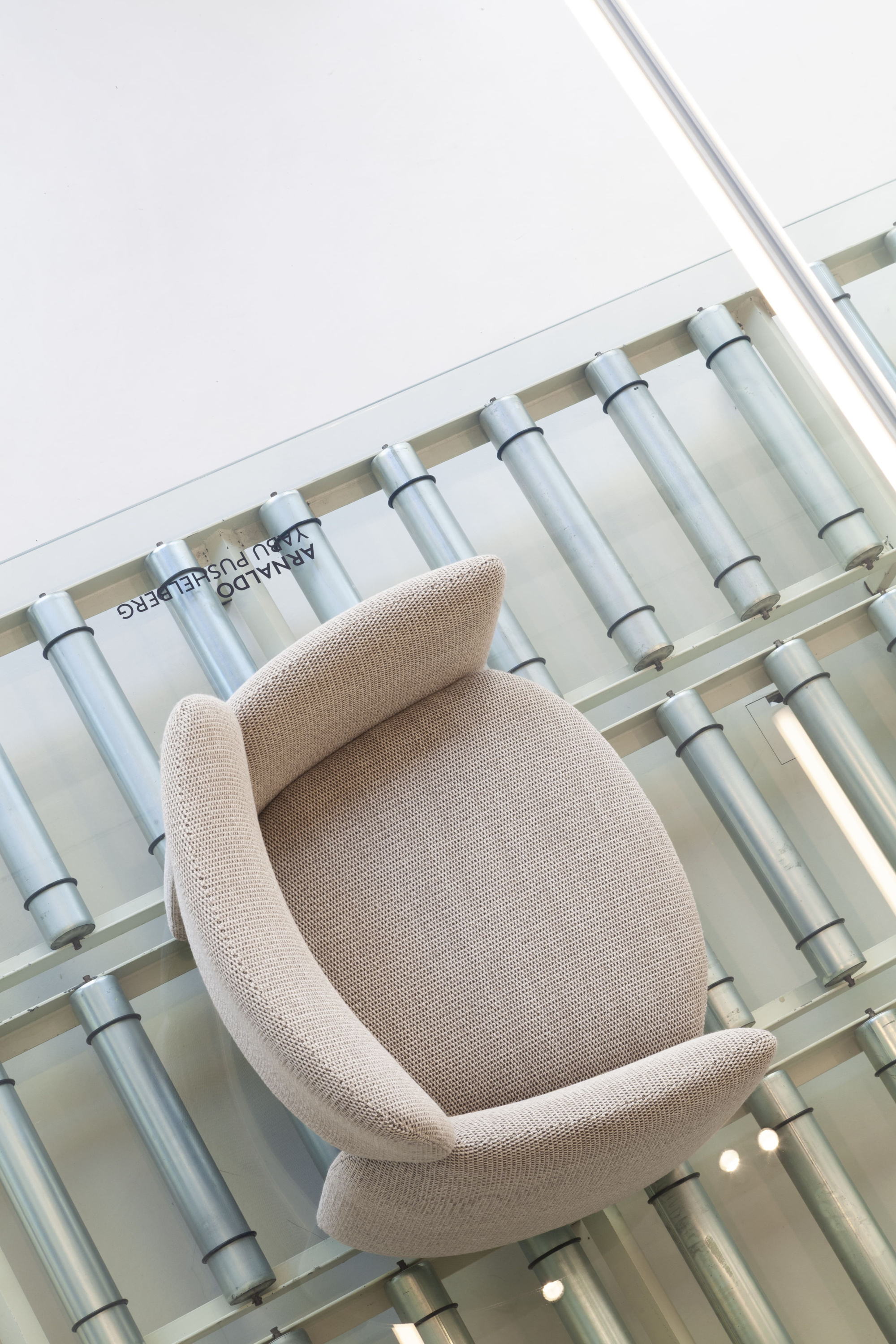
Arnaldo Armchair, Design Yabu Pushelberg, 2026
The Arnaldo armchair is born from the encounter between Porro and the American studio Yabu Pushelberg. The suspended seat is set between the armrests and the backrest in a harmonious interplay of solids and voids, creating a compact, comfortable, and enveloping silhouette. The upholstery, in fabric or leather, gently embraces its soft forms: an intimate piece of furniture, capable of evolving and accompanying family life for decades, or transforming into a discreet yet distinctive seating solution in hospitality settings. A demonstration of how different cultures and latitudes can converge into an emotional narrative, born from shared visions and kindred sensibilities, rooted in the purity of form and in meticulous attention to tailored detail
Showroom Setup – Iconic Products
Ex Libris Display Case, Design Piero Lissoni, 2011
Born from research on freestanding cabinets, Ex-Libris is a precious display case both to the touch and the eye, designed to store and showcase rich collections. The supporting structure consists of aluminum uprights, a melamine base and top, and crystal sides available in varying degrees of transparency. The back panels can be made from melamine, fabric, crystal or mirror, enhancing the ethereal aesthetic of this transparent box—ideal for central room compositions that divide spaces while maintaining visual communication. The glass shelves contribute to the magic of this piece, where objects appear to float in the air, protected by sculptural Iron doors or minimalist flush Block doors. To illuminate the interiors, one or two spotlights can be added to the top of each module
Boutique Mast System, Design Piero Lissoni, 2015
A versatile link between the bedroom and living area, Boutique Mast is Porro’s system with nautical lightness and graphic linearity, allowing maximum expressive freedom for floor-to-ceiling or wall-mounted compositions. Inspired by boat masts, it features circular-section metal uprights supporting large cantilevered shelves in a “glider wing” shape: a new approach to wardrobes or storage in living areas, creating aerial compositions with strong visual impact. Fully customizable, it allows free arrangements of open containers or equipped modules, finely finished with 45° cuts.
Load-it Bookcase, Design Wolfgang Tolk, 1995
Characterized by its protruding shelves that cut through space, the Load-it bookcase system is a Porro classic that has maintained its strong iconic presence over the years while progressively gaining new functionalities and design possibilities. Originally conceived as a completely white bookcase that blends into the wall, creating the illusion of books floating in midair, Load-it has evolved over time, incorporating new materials and finishes without losing its distinctive identity and expressive power—a design gesture as simple as it is radical. Ideal for creating equipped walls or boiserie, it gains new functionalities when combined with the Modern storage system: home-working solutions and TV compositions, expanding compositional and functional possibilities. Load-it is enhanced by lighting: dedicated spotlights can be placed along an electrified profile under the shelf using a magnetic attachment, allowing technical and museum-quality illumination of displayed objects, while keeping the light source nearly invisible.
System HT Equipped Wall, Design Piero Lissoni + CRS Porro, 2024
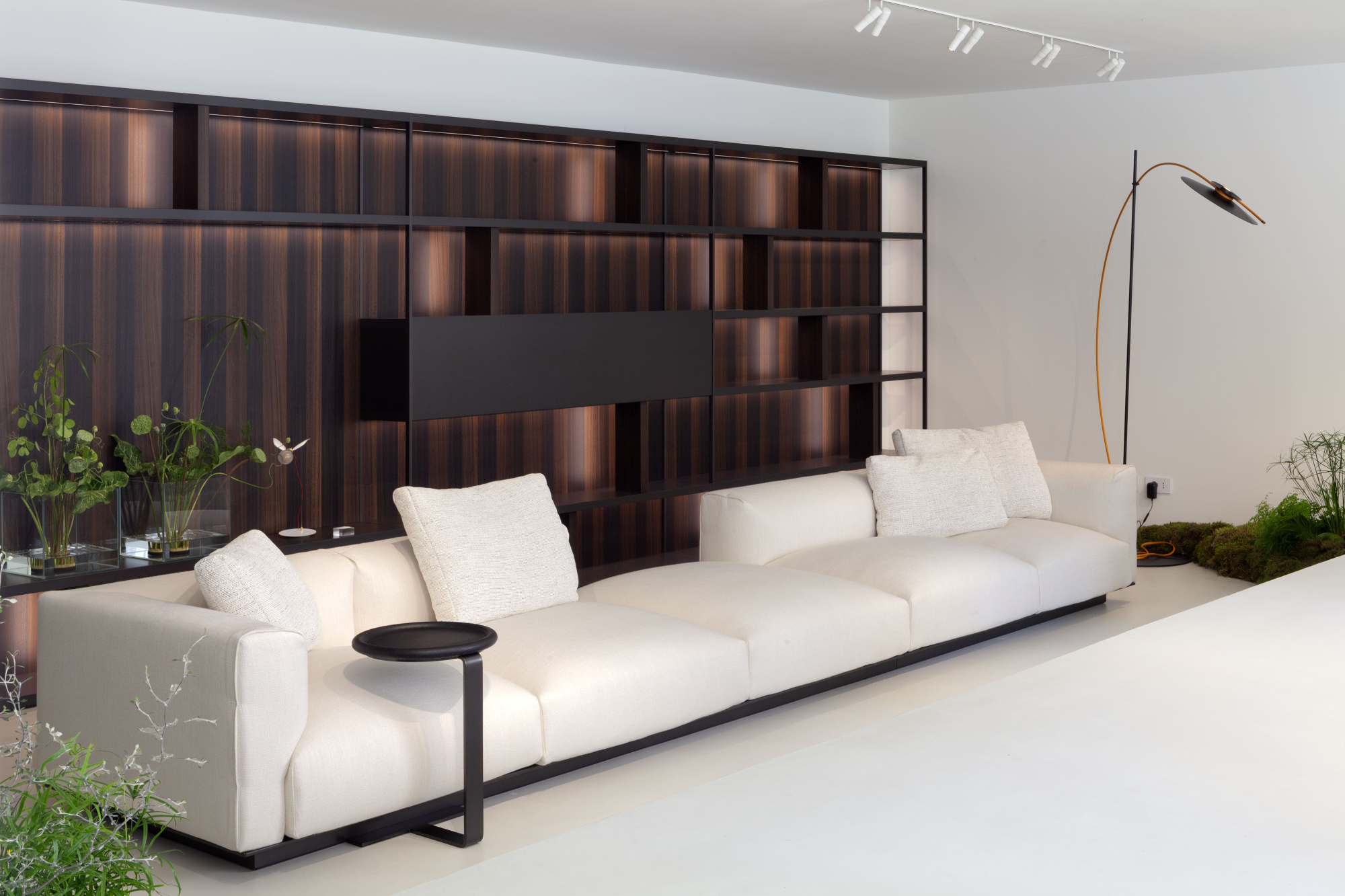
The traditional Porro’s side-panel system has undergone an evolution, and its dense grid has been thinned out to give life to real wooden tapestries on the wall. In the System HT compositions, graphic patterns with an evocative materiality are marked by light metal uprights or wooden partitions: they are emphasised by the diffused light projected onto the back panel, which is transformed into ambient lighting integrated into the wall system.
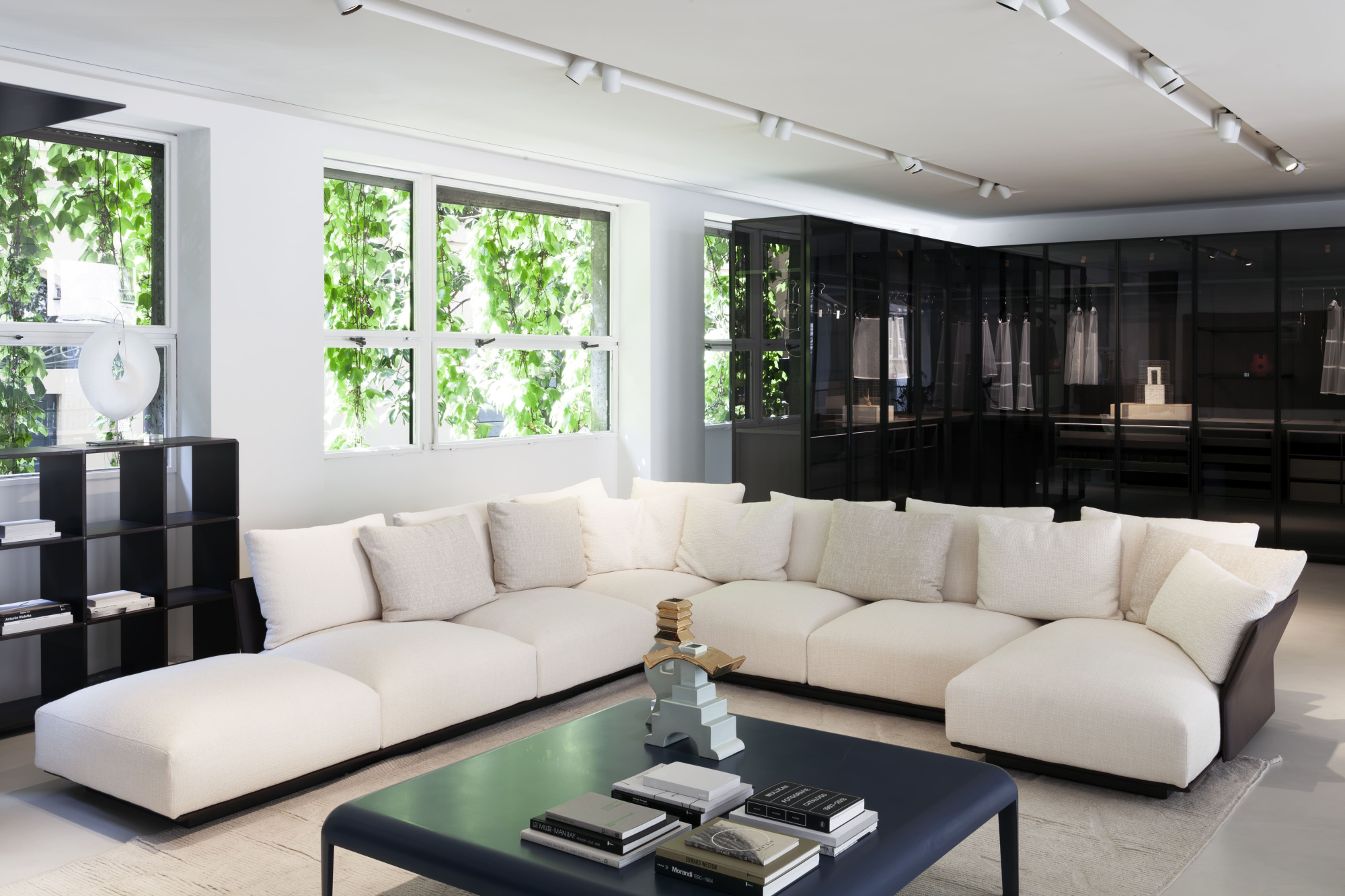
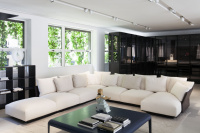
Moulage Sofa, Design Francesco Rota, 2025
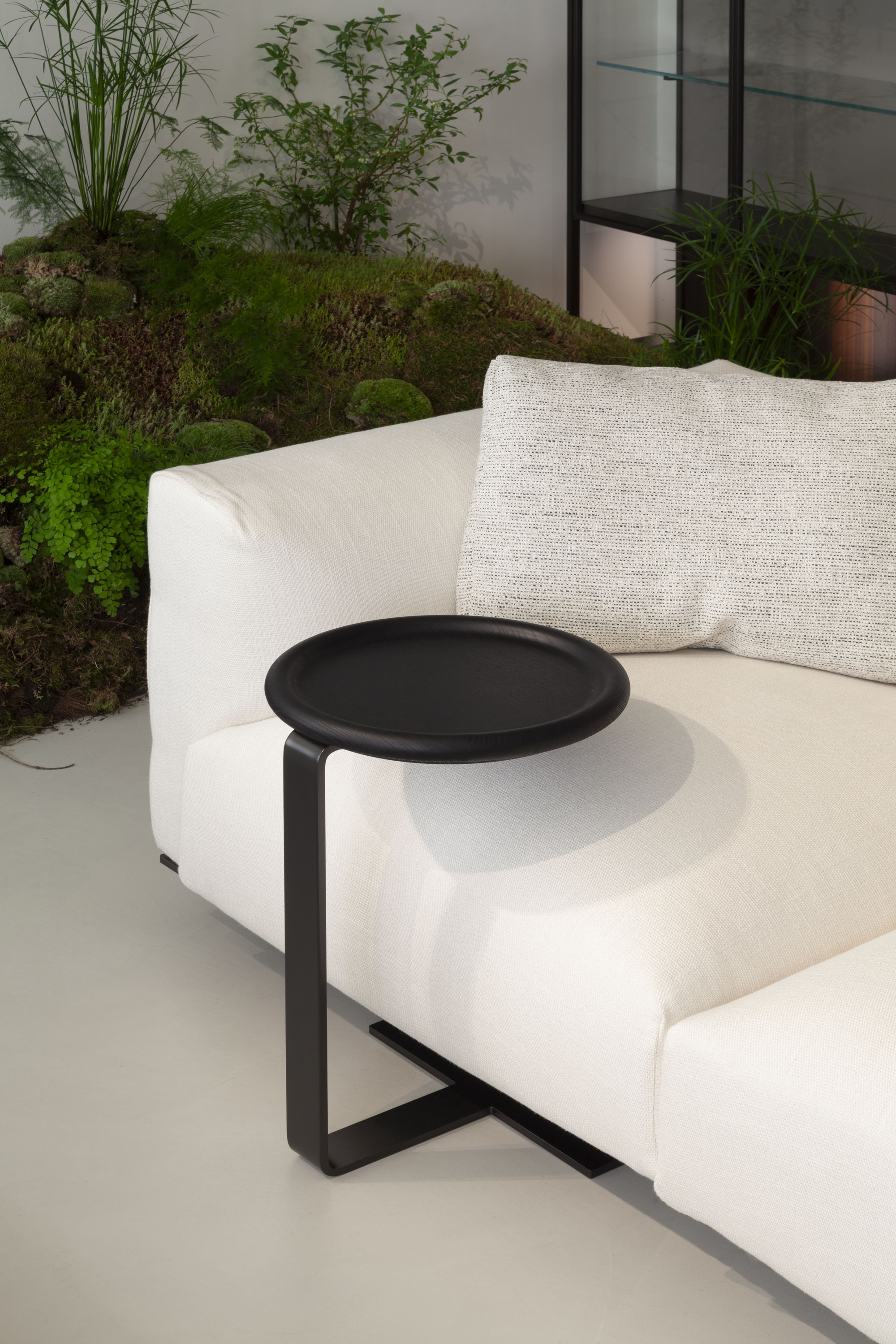
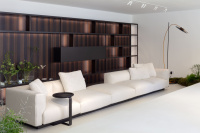
A contemporary aesthetic is fused with sartorial excellence in the Moulage sofa. Its refined look, with draping reminiscent of haute couture, highlights the project’s meticulous attention to detail and artisanal quality. Elevated off the ground, the sofa appears to float in space, conveying visual lightness and elegance. Large square cushions ensure a comfortable, relaxed seating experience, paired with soft, generous armrests and backrests, completed by loose cushions in soft down. The fabric, shaped with tailored pleats, defines volumes and surfaces with an almost sculptural touch, turning each element into an expression of style and craftsmanship.
Origata Bench, Design Nao Tamura, 2024
With its minimalist geometry and pop art influence, juxtaposing brutalist architecture and the comfort of a soft cushion, the Origata bench is a three-dimensional sculpture that plays with symmetry, balance and the expressive power of color, offering a new vantage point on Porro’s home. Origata’s cushion is removable thanks to a textile loop which hooks it to the structure: a simple and refined detail that reflects the philosophy of the project.
Maggio and Schermo Sideboards, Design Alessandro Mendini, 2014
From the family's renowned expertise in woodworking—where they still personally select the wood species and grains—to an inexhaustible curiosity for materials in all their forms, drawing inspiration from a wide array of sources. Maggio and Schermo belong to a small limited edition series counting 99 unique pieces signed by Alessandro Mendini: exquisite and collectible furniture, between art and design. Schermo is a square cupboard, raised on a base, with a sloping hinged door. Maggio is a chest of drawers crowned with a mirror with a diamond-shaped section, two pull-out trays and six large drawers. The inlaid design on the front of the 2 containers is achieved by combining three different type of wood –elm, oak and acacia– with an abstract geometric composition.
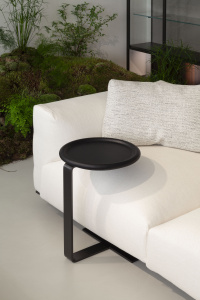
Tobu Sofa, Design Francesco Rota, 2025 Designed to offer a deeply enveloping sense of comfort, the Tobu sofa elegantly expresses the idea of contemporary informality. Its tall, generous seats are crafted with multi-density cushions, engineered to provide calibrated support and lasting relaxation, while loose pillows add an extra layer of softness and compositional freedom. The ability to combine fabrics or leathers in different textures invites full customization, allowing for a play of material and chromatic contrasts that results in a sophisticated look.
Tobu Sofa, Design Francesco Rota, 2025
Designed to offer a deeply enveloping sense of comfort, the Tobu sofa elegantly expresses the idea of contemporary informality. Its tall, generous seats are crafted with multi-density cushions, engineered to provide calibrated support and lasting relaxation, while loose pillows add an extra layer of softness and compositional freedom. The ability to combine fabrics or leathers in different textures invites full customization, allowing for a play of material and chromatic contrasts that results in a sophisticated look.
Ferro Table, Design Piero Lissoni, 1994
Ferro is defined by refined details and visual impact, featuring a sensual curved line, rounded edges, and large-radius joints. Made of bent and welded sheet metal, it is available in fixed or custom sizes, including an outdoor version. For living areas, a low table variant (h. 400 mm) offers a light visual icon, perfect for the center of the room, creating a refined yet convivial atmosphere with innate elegance.
Twin Sideboard, Design Dordoni Studio, 2025
Sculptural forms and architectural concept define the Twin sideboard, derived from the intersection and interpenetration of two U-shaped volumes, distinct yet harmoniously connected. One side features a solid drawer module with a mirrored back and maple dividers for glasses or bottles, plus a closed top section. The sideboard has two mirrors on the drawer module top and one side of the open module, always equipped with LED lights under the top to illuminate both modules. Its purity is emphasized by 45° construction techniques, enhancing formal rigor.
Balancing Boxes Side Tables, Design Front, 2010
Balancing Boxes consists of a series of stacked metal or wooden boxes in irregular equilibrium. Angles, interpenetrations, and a multifaceted image create different sensations from every viewpoint.
Lullaby Lounge Chair, Design Nicola Gallizia, 2019
The Lullaby lounge chair, with its distinctive shape and tilt, evokes comfort and the rocking gesture. Its name is almost onomatopoeic: the “L” evokes wooden legs, while the “U” recalls the rocking motion and identifies the chair in plan. A small object of desire with an offbeat shape, it reveals sophisticated details, such as a cuvée metal foot, solid ash wood frame, and upholstery in soft fabric, leather, eco-leather, or nubuck. A homage to Bauhaus and its union of functionalism and formal purity, merging artisanal creativity and industrial production.
Prie Pouf, Design Francesco Rota 2025
Purity meets precision in the Prie poufs, drawing tangible inspiration from the rounded forms of the mineral world. A material-rich piece with a visually and tactilely soft appeal, available in three sizes – small, medium, and large – designed to be effortlessly arranged in both residential and contract settings. The simple yet refined aesthetic enhances the textile sophistication, featuring contrast stitching and a thicker strap that serves as a handle for easy movement, creating a dynamic layering effect.
Gap Bookcase, Design Carlo Tamborini, 2018
The compact Gap wall-mounted bookcase is a versatile solution for lighting and furnishing any room in a dramatic way, available in two metal finishes: rosso cina and grigio piombo. It consists of a back panel, thin shelves, and an outer metal frame, with integrated LED lighting.
Storage Wardrobe System, Design Piero Lissoni + Porro Research Center, 2000
Featuring three different wardrobe structures, Storage is the first modular system enabling spatial continuity throughout the cabinet. Innovation lies in the new design of the load-bearing element of the structure. Always seen and conceived as an element to divide parts of the wardrobe, with Storage the side panel is no longer a barrier, but becomes the element that allows continuity of space inside the wardrobe, while brilliantly fulfilling its function as a load-bearing element of the structure and support for the horizontal elements. Inside the wardrobe the idea of space acquires a new value. Thanks to the three different types of structure - walk-in closet, traditional wardrobe and boiserie, now perfectly matching one another - it is possible to create open or closed spaces by alternating different materials for transparent and non-transparent solutions.
 Read all
 Request an appointment

